
Publications, Webinars and Podcasts
Home | Publications | Charlotte, North Carolina’s Affordable Housing Success Story

Charlotte, North Carolina’s Affordable Housing Success Story – xChats October 2019
In 2019, leaders in Charlotte, NC raised $100 million in capital for affordable housing projects. That included $50 million in housing bonds, approved by 69% of voters in Charlotte, and $50 million from private sector sources. This was an incredible achievement, one that organizations in Virginia took serious note of. What lessons can we learn from them to push us towards similar success?
Jeanne Bonds moderates public-private-philanthropic panel on how they created the Charlotte Affordable Housing Initiative.
Sponsored by Virginia Housing, Virginia Community Capital, and Atlantic Bay Mortgage Group.
Prof. Jeanne Milliken Bonds is a Professor of the Practice, Impact Investment, and Sustainable Finance at the Kenan-Flagler Business School at the University of North Carolina in Chapel Hill. Jeanne is a former Leader in Regional Community Development for the Federal Reserve Bank of Richmond. In her previous role, she provided leadership for strategic stakeholder collaboration and community-level solutions, focusing on low- and moderate-income and underserved communities.
Related Articles
Assessing the Impact of Covid-19 on Low Income Households and Communities in North Carolina
The North Carolina Community Action Association(NCCAA) commissioned a study to assess the impact ofthe COVID-19 pandemic on its efforts to combat povertyand facilitate self-sufficiency in low-income communities throughout the state. We conducted focus groups withindividuals served by Community Action Agencies (CAAs)and conducted a corresponding set of key informantinterviews with identified leaders in five communitiesacross the state.
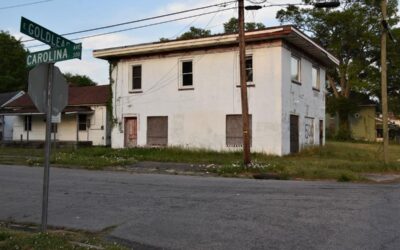
Council Hears About Possible Community Land Trust in City
A group of UNC-Chapel Hill students pitch the Rocky Mount City Council specifics of their analysis regarding how a possible community land trust could best serve city residents.

Leveraging the promise of a green economy to promote racial equity
In North Carolina, the sick-school building syndrome – an estimated $3.1 billion problem – mainly affects children of color who attend aging and rapidly deteriorating schools in both urban and rural low wealth counties.